
In the News
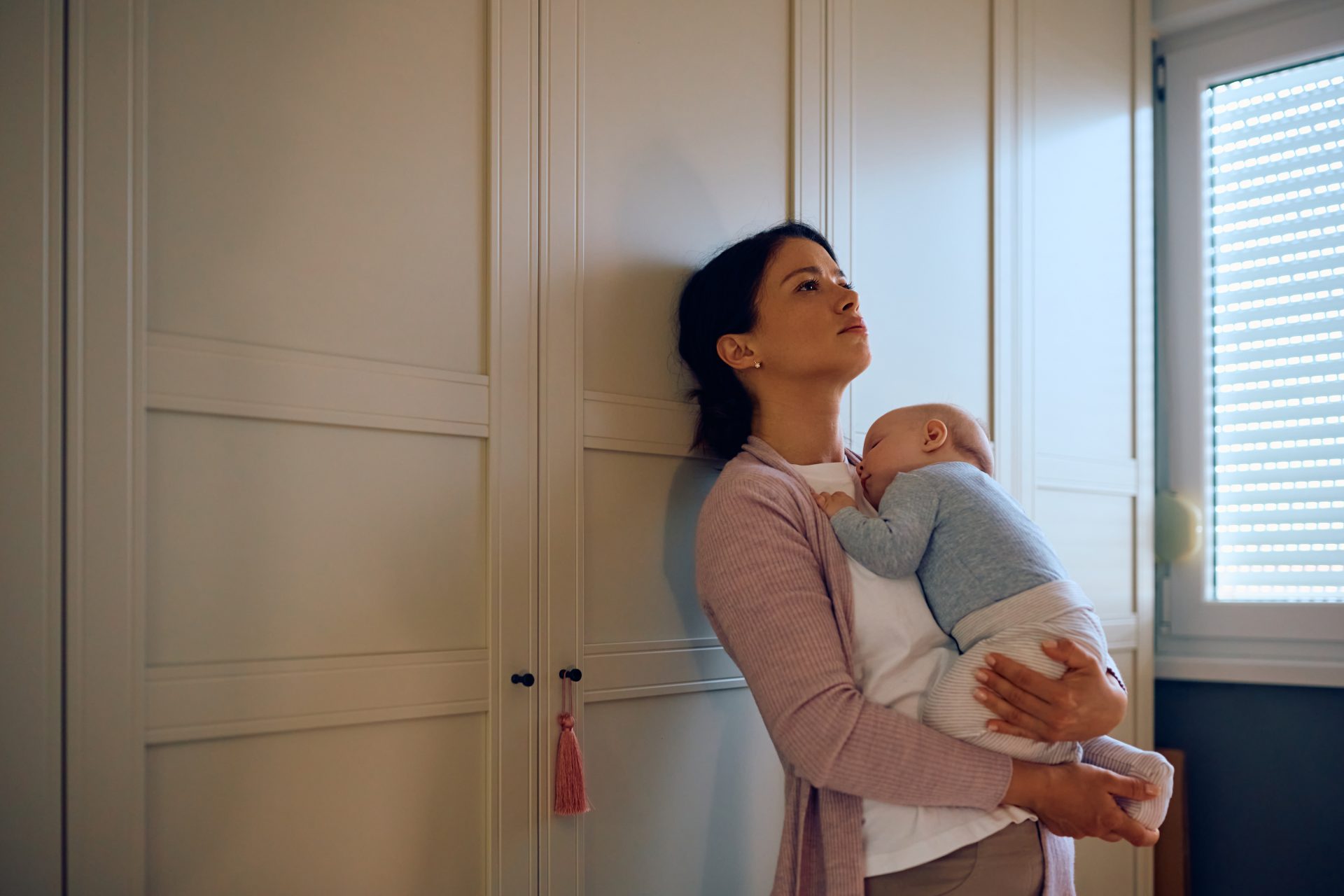
For All Seasons Shines a Light on Postpartum Depression during Depression Awareness Month
According to recent research from the Cleveland Clinic, about 1 in 7 women with a recent live birth reported symptoms of postpartum depression, and the rate has been on the rise. The Centers for Disease Control report that a previous or family history of depression and little or no social support may put some women at higher risk.
October is Depression Awareness Month, and For All Seasons is highlighting postpartum depression to help increase understanding of maternal mental health and encourage mothers to seek support when they notice the signs. Symptoms can include emotional highs and lows, frequent crying, feelings of worthlessness, and difficulty caring for themselves or their baby. While postpartum depression often develops in the first few weeks after childbirth, it can begin during pregnancy or emerge gradually throughout the first year after birth. Most commonly, it occurs around six weeks postpartum.
For All Seasons Behavioral Health and Rape Crisis Center partnered with Village Maternal Holistic Wellness Center of Easton, a local resource offering holistic support, education, and wellness services for mothers and mothers-to-be, to share information about postpartum depression through local media outlets throughout October.
“Postpartum depression doesn’t have one single cause. Significant biological and hormonal changes during pregnancy and after birth can play a role, but they happen alongside enormous physical, emotional, and social changes. A mother’s previous experiences, her pregnancy and birth, sleep and recovery, relationships, support system, sense of identity, and individual biological sensitivity can all influence how vulnerable she may be to postpartum depression. That’s why supporting maternal mental health means looking at the whole person and the full experience of pregnancy, birth, and postpartum, not just one factor in isolation,” shares Sam Basham, owner of Village Maternal Holistic Wellness Center in Easton.
According to the Cleveland Clinic, there are three types of postpartum mood disorders — baby blues, postpartum depression, and postpartum psychosis. The main difference between them is their severity (or intensity) and how long they last. Postpartum depression typically does not resolve on its own and often requires professional treatment. With appropriate care and support, recovery is possible.
Some of the common symptoms of postpartum depression are:
- Feeling sad, worthless, hopeless, or guilty
- Worrying excessively or feeling on edge
- Loss of interest in hobbies or things you usually enjoy
- Changes in appetite or not eating
- Loss of energy and motivation
- Trouble sleeping or wanting to sleep all the time
- Crying for no reason or excessively
- Difficulty thinking or focusing
- Lack of interest in your baby or feeling anxious around your baby
“One of the most important messages we can communicate is to normalize postpartum symptoms and encourage moms to seek support. There is so much messaging in our culture about how beautiful birth is – and it is, but it’s also painful and raw and unbelievably challenging too. Maternal mental health disorders (not just postpartum depression) are the leading childbirth complication and affect almost 20% of women. New moms struggling with their mental health need to know that they are not alone, and that there are some incredible treatments and supports available to them. It gets better,” states Emily Moody, LCSW-C, Director of Clinical Services at For All Seasons.
There are resources available to help relieve new mothers’ symptoms and get them back to feeling like themselves. Free resources are available through Postpartum Support International. Call the PSI HelpLine at 1-800-944-4773. For further information, contact the Village Maternal Holistic Wellness Center at thevillagemd.com and For All Seasons at 410-822-1018 or visit forallseasonsinc.org.